Physical Address
304 North Cardinal St.
Dorchester Center, MA 02124
Physical Address
304 North Cardinal St.
Dorchester Center, MA 02124
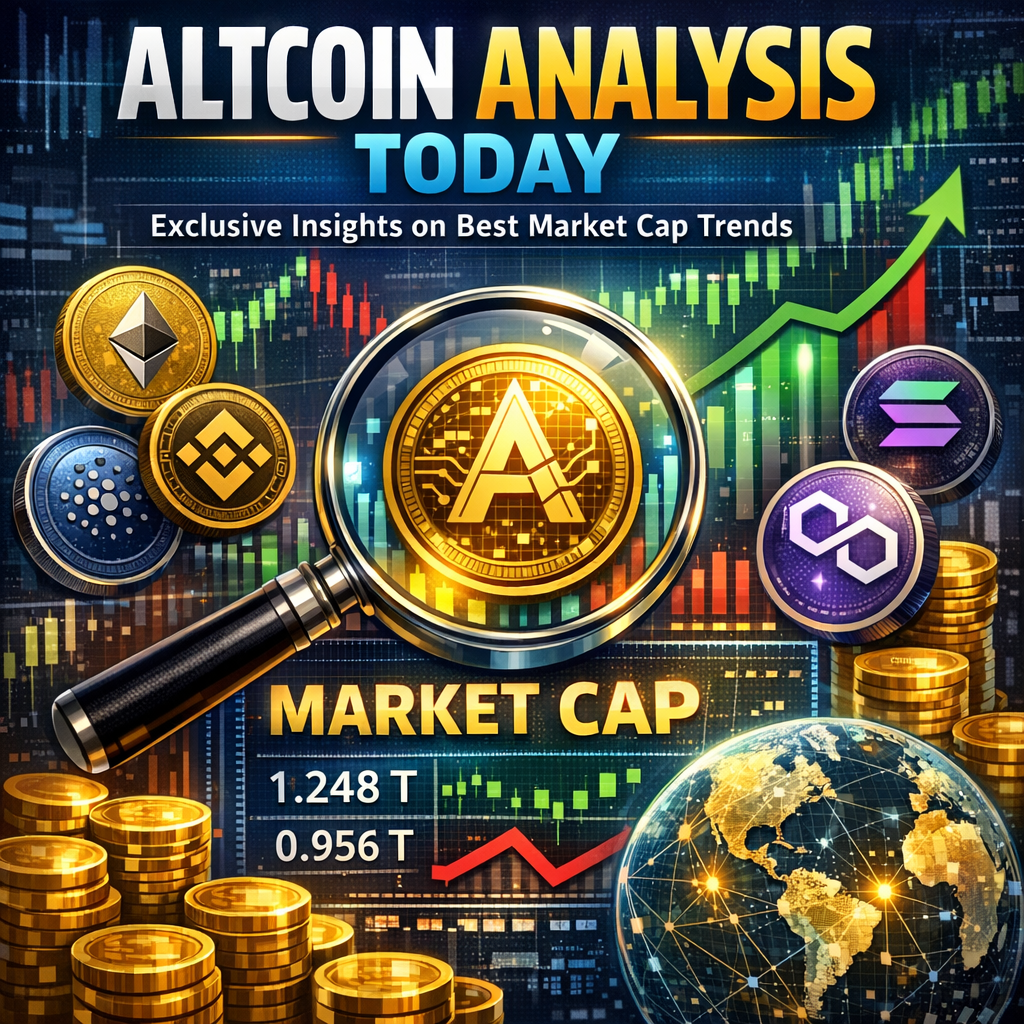
Stay ahead in the crypto world with our latest altcoin analysis, revealing key trends shaping the altcoin market cap and spotlighting which projects are leading the pack today. Whether youre an investor or enthusiast, understanding these shifts can unlock smarter strategies and growth opportunities.

Altcoin analysis has become an essential practice for investors, traders, and enthusiasts seeking to navigate the ever-evolving cryptocurrency landscape. With thousands of alternative coins emerging after Bitcoin, keeping track of the altcoin market cap and its trends offers critical insights into market health, investor sentiment, and potential growth opportunities. This article provides exclusive insights into the best market cap trends in today’s altcoin ecosystem, helping readers make informed decisions.
Before diving into the trends uncovered by recent altcoin analysis, it’s important to understand the concept of altcoin market cap. Market capitalization, or market cap, is calculated by multiplying the current price of an altcoin by the circulating supply. This figure represents the total market value of a given altcoin and serves as a key indicator of its size and relative significance in the market.
Altcoin market cap matters because it helps investors assess an altcoin’s market dominance, liquidity, and potential risk. Large market cap altcoins tend to be more stable with broader adoption, while smaller market cap altcoins can offer higher growth potential but come with increased volatility and risk.
One of the most notable trends highlighted by recent altcoin analysis is the growing dominance of Layer 1 (L1) and Layer 2 (L2) blockchain projects. These infrastructures aim to improve scalability, reduce transaction fees, and enhance user experiences—factors that directly impact crypto adoption.
Altcoins like Ethereum (ETH), Solana (SOL), Avalanche (AVAX), and Polygon (MATIC) have consistently maintained large market caps. Their ongoing network upgrades and robust developer ecosystems have attracted both institutional and retail investors, driving market cap growth. These altcoins reflect an industry shift toward platforms that enable decentralized finance (DeFi), gaming, and NFTs, highlighting their increasing utility beyond simple currency use.
Another emerging tendency is the expansion of Web3-focused and DeFi altcoins. Projects such as Aave (AAVE), Uniswap (UNI), and Chainlink (LINK) have seen notable capitalization due to their crucial role in the decentralized finance sector.
Altcoin analysis reveals that many investors are excited about the potential to disrupt traditional financial systems through decentralized platforms. DeFi tokens with strong project fundamentals and clear roadmaps tend to see sustained demand, positively impacting their market cap. This sector often experiences waves of volatility, but the underlying trend points to increasing market cap driven by innovation and growing adoption.
Privacy and security continue to be pressing issues in the cryptocurrency space, as regulatory scrutiny tightens. Altcoin analysis shows that coins prioritizing anonymity and secure transactions, such as Monero (XMR) and Secret (SCRT), have garnered growing attention, influencing their market cap.
Although these altcoins do not always have the highest market caps overall, their niche appeal and frequent technological upgrades bolster their position. Investors concerned about privacy innovations keep these altcoins relevant in a market dominated by regulatory considerations.
Understanding these trends is just the beginning. Conducting effective altcoin analysis requires a multi-dimensional approach:
– Analyze Market Cap Relative to Volume: An altcoin with a rising market cap but low trading volume may signify overvaluation or a lack of genuine interest.
– Assess Technology and Use Case: Projects with real-world applications and active development tend to sustain or increase market cap over time.
– Monitor Community and Ecosystem Growth: The strength and activity of a project’s community can drive adoption and increase market capitalization.
– Stay Informed About Regulatory Environment: Legislation can impact market sentiment, especially for altcoins with specific jurisdictional concerns.
Altcoin analysis today highlights that market cap trends will continue to evolve with technological advancements and macroeconomic factors. Investors should expect further growth in projects that focus on interoperability, scalability, and practical utility.
Emerging sectors like decentralized identity, metaverse, and cross-chain protocols may define the next wave of market cap leaders. Additionally, macro factors such as global economic policies and mainstream institutional adoption will also play pivotal roles.
Altcoin analysis sheds light on the dynamic nature of the cryptocurrency market, particularly through the lens of market cap trends. By focusing on key sectors like Layer 1 and Layer 2 blockchains, DeFi tokens, and privacy coins, investors can better navigate this complex environment. Staying informed and critically analyzing market cap movements is not only strategic but essential for anyone looking to capitalize on the future of digital assets.