Physical Address
304 North Cardinal St.
Dorchester Center, MA 02124
Physical Address
304 North Cardinal St.
Dorchester Center, MA 02124

Dive into today’s altcoin analysis to explore the latest altcoin market cap trends, revealing essential insights that can help you navigate the dynamic world of alternative cryptocurrencies with confidence.
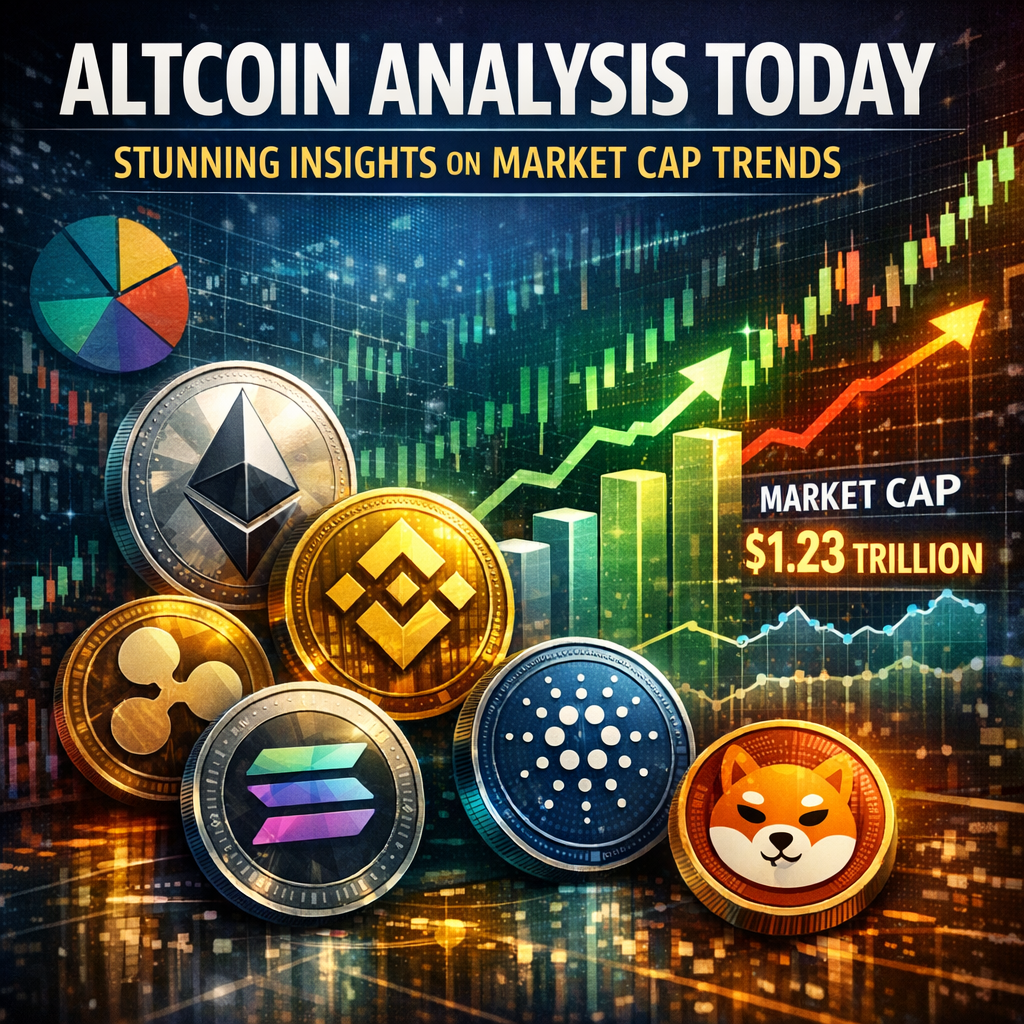
Altcoin analysis has become an essential practice for investors, traders, and enthusiasts navigating the ever-evolving cryptocurrency landscape. With thousands of alternative coins to Bitcoin available today, understanding the movements and trends within this segment is crucial for making informed decisions. One of the most telling indicators in this domain is the altcoin market cap, which provides valuable insights into the health, growth, and sentiment surrounding various digital assets.
In this article, we dive deep into altcoin market cap trends, uncovering what they reveal about current market dynamics and potential future movements. By examining patterns, comparing key players, and exploring external factors influencing market capitalization, we aim to equip you with a comprehensive understanding of the altcoin space.
Before delving into recent trends, it’s important to clarify what altcoin market cap entails. Market capitalization (market cap) is the total value of all coins of a particular cryptocurrency in circulation, calculated by multiplying the current price by the total supply. The altcoin market cap refers collectively to this value for all cryptocurrencies other than Bitcoin.
Tracking the altcoin market cap offers several advantages:
– Market Sentiment Gauge: A rising altcoin market cap often indicates growing interest and confidence in alternative cryptocurrencies beyond Bitcoin.
– Investment Opportunities: Shifts in market cap help identify which tokens are gaining traction and may represent promising assets.
– Risk Assessment: Fluctuations reveal periods of volatility, cautioning investors to adjust strategies accordingly.
The altcoin market cap has experienced notable fluctuations over the past months. After a period of lull and consolidation, many altcoins saw renewed interest in early 2024. Several key trends have emerged from recent altcoin analysis:
Layer 1 platforms such as Ethereum, Solana, and Avalanche continue to dominate a significant portion of the altcoin market cap. Ethereum’s steady upgrades and growing adoption in decentralized finance (DeFi) and NFTs have led to increased investor confidence. Similarly, Solana’s high throughput and low transaction costs attracted both developers and users, pushing its market cap upward.
Tokens associated with decentralized finance projects and Web3 applications have contributed to the expanding altcoin market cap. The rise of decentralized exchanges (DEXs), lending protocols, and blockchain-based gaming platforms reflect a maturing ecosystem that attracts fresh capital.
While often volatile, meme coins like Dogecoin and Shiba Inu maintain a surprisingly strong presence in the market cap rankings, driven largely by social media hype and active communities. Although risky, these assets underline the power of community sentiment in shaping market movements.
Regulatory news, especially from major economies, continues to influence altcoin valuations and market caps. Positive regulatory clarity often boosts investor confidence, whereas crackdowns tend to induce temporary downturns.
Altcoin analysis not only helps identify which projects are rising but also aids in building a diversified crypto portfolio. Allocating investments across a mix of large-cap and promising small-cap altcoins can balance potential rewards and risks.
– Large-Cap Altcoins: Usually more stable and less volatile; includes established projects with broad use cases.
– Mid and Small-Cap Altcoins: Higher risk but potentially higher rewards; often represent emerging technologies or niches.
By monitoring altcoin market cap trends, investors can gauge where capital is flowing and which sectors are gaining momentum.
Accurate altcoin analysis relies on a combination of quantitative and qualitative data. Some useful tools and metrics include:
– Market Cap Rankings: Lists and charts that rank altcoins by market capitalization.
– Volume and Liquidity Data: Indicators of trading activity and ease of buying/selling.
– On-Chain Metrics: Data such as active addresses, transaction counts, and staking rates.
– Fundamental Analysis: Evaluating project teams, technological innovation, partnerships, and roadmap progress.
– Sentiment Analysis: Assessing social media trends and news impact on investor feelings.
Combining these elements provides a holistic view and reduces the chance of surprises from sudden market moves.
Given the current landscape, several factors will shape the future of altcoin market capitalization:
– Adoption in Real-World Use Cases: Continued growth in sectors like DeFi, NFTs, gaming, and enterprise blockchain solutions will drive demand for altcoins.
– Technological Innovations: Protocol upgrades and scalability improvements will attract developers and users, boosting market cap.
– Macro-Economic Environment: Interest rates, inflation, and global financial conditions influence risk appetite and investment flows.
– Investor Education: As understanding of altcoins matures, expect more strategic and sophisticated market participation.
Altcoin analysis today, especially through the lens of market cap trends, remains indispensable for capturing the pulse of digital asset markets. Staying informed and vigilant enables both novice and experienced investors to benefit from the vast opportunities altcoins present while managing inherent risks effectively.
—
In conclusion, the altcoin market cap serves as a powerful indicator in the dynamic world of cryptocurrencies. Recent shifts underscore the diversity and complexity of this asset class, emphasizing the need for ongoing analysis. Whether you’re considering entering the market or optimizing your current holdings, paying close attention to altcoin market cap trends will help you navigate with clarity and confidence.